Small P2P Test Transfers: What They Prove and What They Do Not
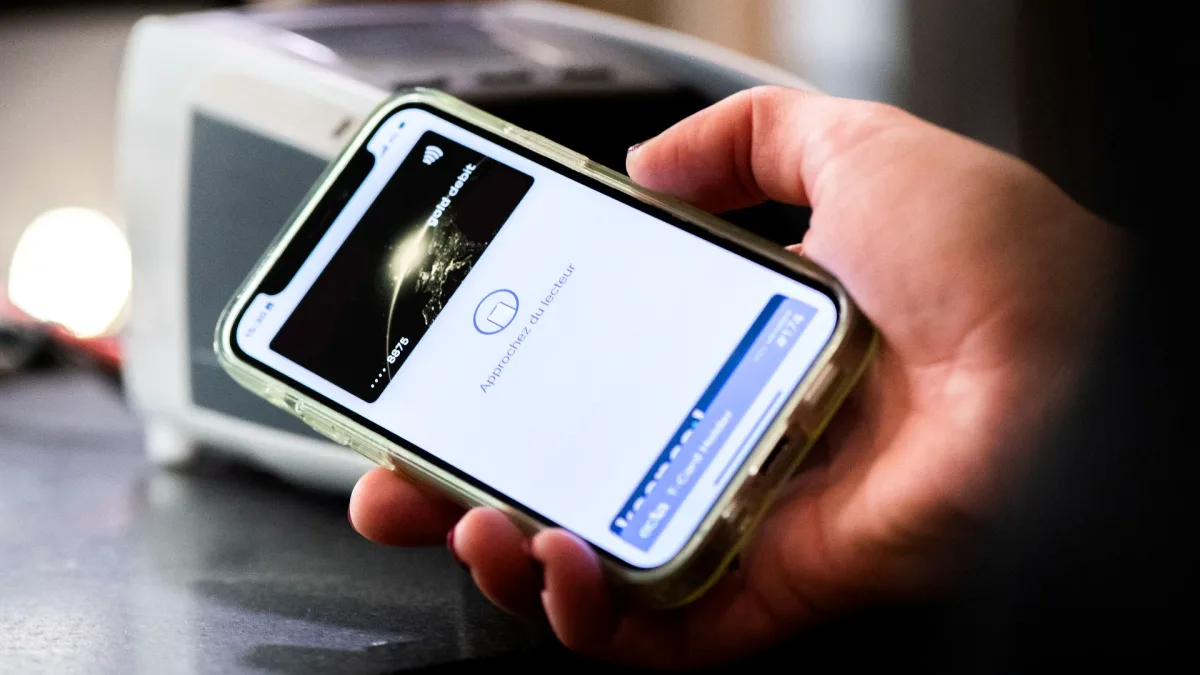
A successful small payment is not a blanket safety guarantee. A small successful transfer proves something about the specific route tested, not about the reliability of every larger transaction to follow. Test the whole route while respecting transaction limits.
A smartphone near a payment device illustrates the single route tested by a small transfer
The false confidence of one small success
A cautious buyer sends a minimal P2P amount first, confirms receipt and then assumes a much larger trade will be just as smooth. The small test did show that one route worked once. It did not establish the receiving party's future behavior, the liquidity available for a larger amount or whether different verification rules apply above a threshold.
What a diagnostic payment can establish
Tests answer specific questions, not every question. A small transfer can validate an address, payment channel or app credit, but it may not reproduce the fee structure, transaction limits or review procedure of a larger payment. Some systems handle first-time users or large withdrawals differently. To learn from a test, define in advance what outcome would count as success and which risks remain untested.
Interpreting the outcome of a test transaction
A small test transfer is useful when it answers one question. Suppose the sender wants to know whether an authenticated deposit address can receive a token on a specified network. A minimal transfer above the destination's published minimum can show whether the address, chain and crediting mechanism worked under those conditions. It cannot prove that larger payments will pass the same thresholds, avoid review or arrive at the same speed. Treat the test as a diagnostic experiment with recorded inputs, not as a blanket guarantee.
Before the test, note the destination account, address, network, asset and expected fee. Afterward, record the sender-side reference, blockchain hash if applicable, final amount received and the state shown by the destination. A successful trial payment should complement, rather than replace, checking the P2P counterparty before sending. If the wallet says the transfer was successful while the platform balance is still absent, the experiment has identified the handoff where further evidence is needed. Avoid repeating the same payment merely to create more data before the first transfer is understood. A failed test should reduce the willingness to scale up, not increase it.
Imagine the test credits five units correctly while a proposed future transfer is fifty times larger. The new size may introduce distinct limits and additional verification requirements; this is a new hypothesis requiring separate review of the terms. The defensible conclusion is narrow: the chosen payment path worked once for the tested conditions. Combined with independent operator checks and clear cashout rules, that evidence can inform a decision without pretending to eliminate every operational risk.
A controlled P2P test-transfer checklist
- Write down the single uncertainty the test is meant to resolve, such as address compatibility or whether a receiving account credits a particular currency.
- Use the same official channel, beneficiary and payment network planned for the real transfer. A successful test through another route proves much less.
- Record sending amount, actual fee, processing time, final credited value and transaction reference. Include any hold or verification request.
- Decide whether the remaining exposure is acceptable before increasing the amount. A test cannot validate an unlimited balance or bypass documented limits.
Why a tiny test is not a safety certificate
A small success can produce false confidence precisely because it feels like firsthand evidence. Treat it as evidence about the process under the tested conditions, not the operator's overall reliability. If the test is unsuccessful, do not keep increasing amounts in an attempt to 'unlock' settlement.
Different limits can apply to larger amounts
A test transaction is a narrow experiment, not an endorsement of the entire provider. Define what it tests, record the conditions and avoid using a small success to justify a much larger unexamined exposure.
Interpret test evidence narrowly
The best use of a small transfer is diagnostic: it checks a specific endpoint and captures real behavior. For betting deposits and withdrawals, a modest trial can reveal practical issues, but it should never replace examination of full payment terms or proof that the site is authentic.
A useful general pre-deposit review of betting websites can be found at https://4xbetnet.com/. What to Read in 1xBet Withdrawal Terms Before Depositing.
#P2PPayments #Transfers #Verification